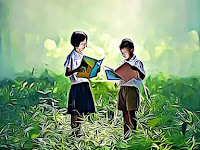
At the beginning of this month of fasting and Ramadan I want to share interesting information about "Learning with a Smile: The 10 Funniest Education Approaches Around the Globe", Education is an essential aspect of human life, and its significance cannot be overemphasized. However, sometimes learning can be quite tedious, and students may find it challenging to stay focused. To help break the monotony and make learning more enjoyable, some institutions have come up with innovative ways to make education fun. In this article, we will explore ten of the funniest education systems around the world.
1. Finland
Finland is renowned for its top-quality education system that has produced some of the world's brightest minds. However, what is most impressive about the Finnish education system is its focus on play-based learning. In Finland, students spend a significant portion of their day in play and outdoor activities, which helps them develop their social skills and cognitive abilities.
Moreover, the Finnish education system has a unique approach to classroom design. Finnish classrooms are designed to be cozy and comfortable, with no desks. Instead, students sit on cushions and move around freely, which promotes active learning and helps them retain information better.
2. Japan
The Japanese education system is famous for its focus on discipline and hard work. However, Japanese schools also incorporate humor and fun in their teaching methods. One of the most popular forms of education in Japan is the Rakugo, a form of storytelling that uses humor to entertain and educate.
Moreover, the Japanese education system is known for its unique physical education classes. Instead of traditional sports, Japanese students participate in activities like radio calisthenics and karate, which not only promote physical fitness but also teach discipline and focus.
3. Denmark
The Danish education system is known for its emphasis on creativity and innovation. Danish schools have a relaxed and informal atmosphere that encourages students to express themselves freely. Moreover, Danish schools have a unique approach to classroom design, with furniture that is designed to be mobile and flexible.
In Denmark, students are also taught how to cook and bake, which not only teaches them valuable life skills but also promotes team building and social skills.
4. United States
The United States is home to some of the most innovative and entertaining education systems in the world. One of the most popular forms of education in the US is the use of educational games and simulations. Games like Minecraft and SimCity are used in classrooms to teach various subjects, from history to science.
Moreover, the US education system is known for its emphasis on extracurricular activities. From sports to music and drama, American schools offer a wide range of extracurricular activities that help students develop their talents and skills.
5. South Korea
The South Korean education system is famous for its rigorous and highly competitive nature. However, South Korean schools also incorporate humor and fun in their teaching methods. One of the most popular forms of education in South Korea is the use of K-pop and K-dramas to teach Korean language and culture.
Moreover, South Korean schools offer a wide range of extracurricular activities, from Taekwondo to traditional dance, that help students develop their physical and cognitive abilities.
6. Germany
The German education system is known for its emphasis on practical and vocational education. German schools offer a wide range of vocational courses that teach students valuable skills like carpentry, welding, and mechanics. Moreover, German schools also incorporate humor and fun in their teaching methods, with the use of comedy and theater.
In Germany, students are also taught how to manage their finances and run small businesses, which not only teaches them valuable life skills but also promotes entrepreneurship.
7. Australia
The Australian education system is famous for its emphasis on outdoor learning. Australian schools offer a wide range of outdoor activities like camping, hiking, and surfing, which not only promote physical fitness but also teach teamwork and social skills.
Moreover, Australian schools also incorporate humor and fun in their teaching methods, with the use of educational games and simulations. Games like Minecraft and SimCity are used in classrooms to teach various subjects, from history to science.
8. Singapore
The Singaporean education system is known for its emphasis on science and mathematics. However, Singaporean schools also incorporate humor and fun in their teaching methods. One of the most popular forms of education in Singapore is the use of comedy and theater to teach English language and literature.
Moreover, Singaporean schools offer a wide range of extracurricular activities, from robotics to music, that help students develop their talents and skills.
9. Norway
The Norwegian education system is famous for its emphasis on egalitarianism and equality. Norwegian schools offer a wide range of vocational courses that teach students valuable skills like fishing and agriculture. Moreover, Norwegian schools also incorporate humor and fun in their teaching methods, with the use of storytelling and drama.
In Norway, students are also taught how to appreciate nature and protect the environment, which not only teaches them valuable life skills but also promotes environmental awareness.
10. India
The Indian education system is known for its emphasis on spirituality and traditional values. Indian schools offer a wide range of courses that teach students about Indian culture and traditions. Moreover, Indian schools also incorporate humor and fun in their teaching methods, with the use of music and dance.
In India, students are also taught how to meditate and practice yoga, which not only promotes physical and mental health but also teaches them valuable life skills.
Conclusion
Education is an essential aspect of human life, and its significance cannot be overemphasized. However, learning can be quite tedious, and students may find it challenging to stay focused. To help break the monotony and make learning more enjoyable, some institutions have come up with innovative ways to make education fun.
From Finland's play-based learning to India's focus on spirituality and traditional values, these ten education systems around the world are some of the funniest and most entertaining. By incorporating humor, fun, and creativity into their teaching methods, these institutions have made learning enjoyable and effective for students of all ages.
Laugh and Learn: The Top 10 Funniest Education Systems in the World
From Hogwarts to Zombie Survival: 10 of the Strangest Schools in the World
For this weekend I will cover the topic "Survival Skills and Brain Training: A Look at the 10 Most Unique Schools" and here for the full review, Education is important, and for most people, going to school is a normal part of growing up. But what happens when schools break the mold and become something completely different from the norm? From schools where students are taught in the outdoors to schools that teach their students how to survive a zombie apocalypse, here are the 10 strangest schools in the world.
1. Green School - Bali, Indonesia
Located in the heart of the Balinese jungle, Green School is an international school that focuses on sustainability and environmental education. The school is made entirely out of bamboo and is powered by solar panels, and students spend most of their time outdoors, learning about everything from permaculture to organic farming.
2. The Democratic School - Hadera, Israel
At The Democratic School in Hadera, Israel, there are no grades, no schedules, and no tests. Instead, students are encouraged to pursue their passions and interests, and are given the freedom to learn at their own pace. The school is run entirely by the students and staff, with all decisions made through a democratic voting system.
3. School at Sea - Netherlands
The School at Sea is a unique program in the Netherlands that takes high school students on a voyage across the Atlantic Ocean. Students spend six months living on a tall ship and learning about everything from oceanography to navigation. The program also includes traditional classroom learning, and students receive high school credit for their work.
4. Hogwarts School of Witchcraft and Wizardry - Scotland
While Hogwarts School of Witchcraft and Wizardry may not be a real school, it is undoubtedly one of the most famous schools in the world. The setting for the Harry Potter series, Hogwarts is a magical place where students learn spells, brew potions, and take care of magical creatures. While you may not be able to attend Hogwarts in real life, you can still visit the castle and take a tour of the grounds.
5. The Survival School - United Kingdom
At The Survival School in the United Kingdom, students learn everything they need to know about surviving in the wilderness. From building a shelter to starting a fire, students are taught the skills they need to live off the land. The school also offers courses in bushcraft, navigation, and first aid.
6. The Brain School - Brazil
The Brain School in Brazil is a school that focuses on cognitive development and brain training. Students are taught a variety of mental exercises designed to improve memory, focus, and creativity. The school also offers courses in robotics and coding.
7. The School of the Future - Philadelphia, USA
The School of the Future in Philadelphia is a public high school that focuses on technology and innovation. Students use laptops and iPads instead of textbooks, and the school is outfitted with state-of-the-art technology, including a green screen room and a 3D printer lab.
8. The Waldorf School - Germany
The Waldorf School in Germany is a unique school that focuses on holistic education. The school follows the teachings of Rudolf Steiner and emphasizes creativity and imagination. Students are taught a variety of skills, including handwork, music, and theater, and are encouraged to express themselves in creative ways.
9. The Zombie Survival and Disaster Preparedness Academy - San Diego, USA
The Zombie Survival and Disaster Preparedness Academy in San Diego may sound like a joke, but it is a real school that teaches students how to survive in the event of a zombie apocalypse. Students learn everything from first aid to self-defense and are given the opportunity to test their skills in simulated zombie attacks.
10. The School of No Rules - Russia
The School of No Rules in Russia is a school that truly lives up to its name. There are no grades, no schedules, and no set curriculum. Instead, students are free to learn whatever they want, however they want, and at their own pace. The school is designed to encourage creativity and self-expression, and students are encouraged to follow their passions, whether it's music, art, or science.
These 10 schools are just a few examples of the many different approaches to education that exist around the world. While some of these schools may seem strange or unconventional, they all have one thing in common: a focus on giving students a unique and engaging learning experience.
In today's world, where traditional education is often criticized for being too rigid and standardized, schools like these offer an alternative approach that is more flexible, individualized, and focused on real-world skills.
For students who are looking for a more unconventional educational experience, or for parents who want to give their children a more hands-on and engaging education, these schools are worth considering. Who knows, attending one of these schools might just inspire the next generation of innovators, inventors, and entrepreneurs.
The Path to Becoming an Occupational Therapist: Education Requirements and More
Hello, how are you all and for today I want to discuss an article about "The Essential Education for Occupational Therapists: Degrees, Fieldwork, and Licensing Exam", Occupational therapy is a healthcare profession that is focused on helping people of all ages achieve their goals by addressing their physical, emotional, and cognitive challenges. Occupational therapists work with patients who have disabilities, injuries, or illnesses that affect their ability to perform daily activities, such as bathing, dressing, cooking, and working. They use various treatment techniques to improve patients' functioning, such as exercise, adaptive equipment, and environmental modifications.
Becoming an occupational therapist requires a specific education and training path, which involves obtaining a degree in occupational therapy, completing a clinical fieldwork program, and passing a licensing exam. In this article, we will discuss the education required to become an occupational therapist, including the degree programs, courses, and clinical experiences.
Degree Programs
To become an occupational therapist, you must first obtain a degree in occupational therapy. The most common degree for this profession is a Master of Occupational Therapy (MOT) or a Master of Science in Occupational Therapy (MSOT), which usually takes two years to complete. However, some programs offer an accelerated program for students with a bachelor's degree in a related field, which takes 12 to 16 months to complete.
There are also doctoral programs in occupational therapy, such as a Doctor of Occupational Therapy (DOT) or a Doctor of Science in Occupational Therapy (ScD), which take 3 to 4 years to complete. These programs are designed for students who want to pursue advanced clinical or research careers in occupational therapy.
The Accreditation Council for Occupational Therapy Education (ACOTE) is the accrediting body for occupational therapy programs in the United States. To become a licensed occupational therapist, you must graduate from an ACOTE-accredited program.
Courses
Occupational therapy programs cover a wide range of topics, including anatomy, physiology, neuroscience, psychology, and sociology. Students also learn about occupational therapy theories, practice models, and intervention strategies.
Some of the specific courses you may take in an occupational therapy program include:
- Human Anatomy and Physiology: This course covers the structure and function of the human body, including the musculoskeletal, nervous, circulatory, and respiratory systems.
- Neuroscience: This course covers the structure and function of the brain and nervous system, including how they relate to movement, sensation, perception, and cognition.
- Developmental Psychology: This course covers the stages of human development from infancy to old age, including how developmental milestones relate to occupational performance.
- Occupational Therapy Theory and Practice: This course covers the history, philosophy, and principles of occupational therapy, as well as the assessment, treatment, and documentation of occupational therapy interventions.
- Assistive Technology: This course covers the use of technology and devices to improve occupational performance, including mobility aids, communication devices, and environmental controls.
- Therapeutic Activities: This course covers the use of purposeful and meaningful activities to promote occupational performance, including crafts, hobbies, sports, and games.
Clinical Fieldwork
In addition to classroom instruction, occupational therapy programs also require students to complete clinical fieldwork experiences. These experiences provide students with hands-on training in various practice settings, such as hospitals, clinics, schools, and community centers.
There are two types of clinical fieldwork experiences: Level I and Level II. Level I fieldwork involves observation and participation in occupational therapy interventions under the supervision of a licensed occupational therapist. Level II fieldwork involves full-time immersion in occupational therapy practice, where students are responsible for evaluating, treating, and documenting patient care under the supervision of a licensed occupational therapist.
Level II fieldwork is typically divided into two parts, which together total at least 24 weeks of full-time work. The first part is usually completed in a traditional clinical setting, such as a hospital or rehabilitation center. The second part is usually completed in a non-traditional setting, such as a school, community center, or mental health facility.
During their clinical fieldwork experiences, students have the opportunity to apply the knowledge and skills they have learned in the classroom to real-life situations. They work with patients of all ages and backgrounds, including those with physical, mental, or emotional challenges. They also collaborate with other healthcare professionals, such as doctors, nurses, physical therapists, and speech-language pathologists, to provide comprehensive care to patients.
Licensing Exam
After completing an occupational therapy program and clinical fieldwork, students must pass a national licensing exam to become a licensed occupational therapist. The exam is administered by the National Board for Certification in Occupational Therapy (NBCOT), which is a non-profit organization that sets and maintains standards for occupational therapy practice.
The NBCOT exam is a computer-based test that consists of multiple-choice questions and clinical simulations. It covers various aspects of occupational therapy practice, including evaluation, intervention, documentation, ethics, and professional development.
To be eligible to take the NBCOT exam, you must have a degree from an ACOTE-accredited program and have completed all required clinical fieldwork. You must also submit an application and pay a fee to the NBCOT. Once you pass the exam, you will be a registered occupational therapist (OTR) and eligible to apply for a state license to practice occupational therapy.
Continuing Education
As a licensed occupational therapist, you must maintain your knowledge and skills through continuing education. Most states require occupational therapists to complete a certain number of continuing education units (CEUs) every year to renew their license. CEUs can be obtained through various means, such as attending conferences, completing online courses, or participating in research studies.
Continuing education is important for occupational therapists because it allows them to stay up-to-date with the latest research, techniques, and technologies in their field. It also allows them to specialize in certain areas of practice, such as pediatrics, mental health, or geriatrics.
Conclusion
Becoming an occupational therapist requires a significant amount of education and training, including obtaining a degree in occupational therapy, completing clinical fieldwork, and passing a licensing exam. The education and training process prepares students to work with patients of all ages and backgrounds who have physical, mental, or emotional challenges that affect their ability to perform daily activities. Occupational therapy is a rewarding and growing profession that offers opportunities for personal and professional growth.
Chicago's Education Scene: Navigating Teaching Positions in the City
Welcome again, friends, this time I want to write about "Making a Difference in the Classroom: Opportunities for Education Jobs in Chicago", Chicago, also known as the Windy City, is one of the largest cities in the United States, with a population of over 2.7 million people. It is home to a diverse range of industries, including finance, healthcare, and education. In this article, we will explore the education sector in Chicago and the various education jobs available in the city.
Overview of Education in Chicago
Chicago has one of the largest public school systems in the country, serving over 350,000 students across nearly 650 schools. The Chicago Public Schools (CPS) system is overseen by the Chicago Board of Education, which is responsible for setting policies and making decisions related to the district's budget, curriculum, and other matters.
In addition to the public school system, there are also numerous private schools, charter schools, and parochial schools in Chicago. These schools offer a variety of educational programs, catering to students from different backgrounds and with different interests.
Education Jobs in Chicago
Chicago's education sector offers a wide range of jobs, from teaching positions to administrative roles. Some of the most common education jobs in Chicago include:
- Classroom Teacher: Classroom teachers are responsible for planning and delivering instruction to students in a particular subject or grade level. They must develop lesson plans, create assessments, and track student progress. Classroom teachers may also be responsible for managing student behavior, communicating with parents, and collaborating with other teachers and staff members.
- School Administrator: School administrators are responsible for managing the day-to-day operations of a school or group of schools. They may oversee curriculum development, budgeting, hiring and training staff, and managing facilities. School administrators must also ensure that their schools are in compliance with state and federal regulations.
- School Counselor: School counselors work with students to address social, emotional, and academic issues. They provide individual and group counseling, help students develop academic and career goals, and support students who may be dealing with personal or family issues. School counselors also work with parents and teachers to address student needs and promote a positive school environment.
- Curriculum Developer: Curriculum developers design and implement educational programs and materials. They must research and analyze educational standards and trends, develop instructional materials, and ensure that programs are aligned with state and national standards. Curriculum developers may also provide training and support to teachers and staff members.
- Education Policy Analyst: Education policy analysts research and analyze education policies and programs at the local, state, and federal levels. They must stay up-to-date on policy developments, gather and analyze data, and make recommendations to policymakers and other stakeholders. Education policy analysts may work for government agencies, nonprofit organizations, or research institutions.
Education Job Market in Chicago
The education job market in Chicago is competitive, but there are opportunities for those with the right qualifications and experience. The demand for teachers and school administrators is expected to remain stable in the coming years, with some areas experiencing growth due to increasing enrollment and teacher retirements.
To be competitive in the education job market in Chicago, candidates should have a bachelor's or master's degree in education or a related field, as well as a teaching certificate or other relevant certification. Experience working with students or in an education setting is also preferred.
Salary Expectations for Education Jobs in Chicago
Salaries for education jobs in Chicago vary depending on the position and level of experience. According to data from the Bureau of Labor Statistics, the median annual wage for elementary, middle, and high school teachers in the Chicago area was $69,510 in May 2020. School administrators, such as principals and assistant principals, earned a median annual wage of $101,090 in May 2020.
Salaries for education jobs in Chicago may also vary depending on the district or school, as well as the candidate's qualifications and experience. In addition to Chicago, the third-largest city in the United States, is home to many educational institutions and opportunities for those looking for a career in education. With a diverse population and a range of educational needs, there are many education jobs available in Chicago. Whether you are looking to teach in a classroom or work in education administration, there are numerous opportunities available in this vibrant city.
In this article, we will discuss the education job market in Chicago, the types of jobs available, and what you need to know to secure a position in the field.
Education Job Market in Chicago
Chicago has a thriving education job market with many opportunities in both the public and private sectors. There are over 660 public schools in the Chicago Public Schools (CPS) district, making it the third-largest school district in the country. In addition to public schools, there are also many private schools, charter schools, and universities in the city.
According to the Bureau of Labor Statistics (BLS), the education and health services industry is the largest employment sector in the Chicago metropolitan area. Within this industry, education and training jobs make up a significant portion of employment. The BLS reports that there were over 234,000 education and training jobs in the Chicago area in 2020, with a projected 4.6% job growth rate through 2030.
Types of Education Jobs in Chicago
There are many different types of education jobs available in Chicago, including teaching, administration, and support staff positions. Below are some examples of education jobs in Chicago:
- Teachers: Teachers are the backbone of the education system and are responsible for educating students in a particular subject or grade level. There are many teaching positions available in Chicago, ranging from early childhood education to high school.
- School Administrators: School administrators oversee the day-to-day operations of schools and are responsible for ensuring that schools are running smoothly. This includes managing budgets, developing policies, and hiring and supervising staff.
- Education Researchers: Education researchers work in academic institutions, non-profits, and government agencies to conduct research on education-related topics. They may focus on improving teaching methods, analyzing student achievement data, or evaluating education policies.
- Student Support Services: Student support services provide assistance to students who may be experiencing academic, social, or emotional challenges. This can include counselors, social workers, and special education teachers.
- Curriculum and Instruction Specialists: Curriculum and instruction specialists are responsible for developing and implementing curriculum and teaching materials. They may work at the district or school level and collaborate with teachers to create effective lesson plans.
What You Need to Know to Secure an Education Job in Chicago
If you are interested in pursuing a career in education in Chicago, there are a few things you should know to increase your chances of landing a job.
- Education and Certification Requirements: To become a teacher or administrator in Chicago, you will need to meet the education and certification requirements set by the state of Illinois. This typically includes earning a bachelor's degree in education or a related field and passing certification exams.
- Networking: Like many industries, networking is key to finding a job in education. Attend job fairs, join professional organizations, and connect with alumni from your college or university to expand your professional network.
- Experience: Having experience working in education can give you an edge when applying for jobs. Consider volunteering, completing internships, or working as a substitute teacher to gain experience and build your resume.
- Technology Skills: Technology is becoming increasingly important in education, particularly as more schools move to virtual learning environments. Familiarity with education technology platforms and tools can make you a more competitive job candidate.
So, the conclusion:
The education job market in Chicago is thriving, with many opportunities available for those interested in pursuing a career in education. Whether you are interested in teaching, administration In addition to the traditional classroom teaching roles, there are many other job opportunities available in the field of education in Chicago. These include administrative roles, counseling positions, curriculum development, and more. Below are some examples of different types of education jobs in Chicago:
- School Counselor: School counselors are responsible for providing guidance and support to students in academic, social, and personal matters. They work with students to help them set and achieve academic and personal goals, and provide resources for mental health and emotional support. School counselors also work with teachers and administrators to create a positive and supportive school environment.
- Curriculum Developer: Curriculum developers are responsible for creating and implementing educational materials and programs. They work with teachers and administrators to develop and revise curriculum standards, create lesson plans, and design assessments to evaluate student learning. Curriculum developers also stay up to date on the latest research and trends in education to ensure that their curriculum is effective and relevant.
- Special Education Teacher: Special education teachers work with students who have a variety of disabilities, such as autism, learning disabilities, or emotional disorders. They develop individualized education plans (IEPs) for each student, and provide specialized instruction to help students learn and succeed. Special education teachers also work closely with other school staff, including counselors and administrators, to provide a supportive environment for students with disabilities.
- Education Administrator: Education administrators are responsible for overseeing the day-to-day operations of schools, school districts, or educational programs. They manage budgets, hire and supervise staff, and develop policies and procedures to ensure that the educational program runs smoothly. Education administrators also work closely with teachers, parents, and community members to create a positive and effective learning environment.
- Higher Education Instructor: Higher education instructors teach courses at colleges and universities. They develop syllabi, create lesson plans, and assess student learning. Higher education instructors also engage in research and scholarship, and may participate in departmental or university-wide committees and initiatives.
As you can see, there are many different types of education jobs available in Chicago, each requiring different skills and qualifications. Whether you are interested in teaching, counseling, or administration, there are many opportunities to make a positive impact on the education system in Chicago.
The Ultimate Guide to Education Jobs in New York City: Tips and Insights
On this cloudy day I will take the time to share tips related to "Unlocking Opportunities: How to Land Your Dream Education Job in New York City", Education jobs in New York City offer a wide range of opportunities for those looking to pursue a career in teaching or education administration. From early childhood education to post-secondary education, there are plenty of jobs available for educators with the right experience and qualifications. This article will provide an overview of some of the most common education jobs in New York City, including teacher, school administrator, and education coordinator.
Teacher Jobs in New York City
Teaching is one of the most common education jobs in New York City, with opportunities available at all levels of education. Public schools in New York City employ over 70,000 teachers, and there are also numerous private schools and charter schools that hire educators. In order to become a teacher in New York City, individuals must have a bachelor's degree, complete a teacher preparation program, and pass state certification exams.
In terms of salary, teachers in New York City earn some of the highest salaries in the country. According to the New York City Department of Education, starting salaries for teachers range from around $57,000 to $68,000 per year, depending on their level of education and experience. Experienced teachers with advanced degrees and additional certifications can earn salaries of up to $119,000 per year.
School Administrator Jobs in New York City
Another common education job in New York City is that of a school administrator. These professionals are responsible for overseeing the day-to-day operations of schools, including managing budgets, supervising staff, and ensuring that students receive a high-quality education. School administrators in New York City can work in a variety of roles, including principal, assistant principal, and district administrator.
To become a school administrator in New York City, individuals typically need a master's degree in education or a related field, as well as several years of teaching experience. They may also need to obtain state certification as a school administrator. Salaries for school administrators in New York City vary depending on the specific role and level of responsibility, but can range from around $80,000 to over $200,000 per year.
Education Coordinator Jobs in New York City
Education coordinators are responsible for developing and implementing educational programs and initiatives, often in non-profit organizations, government agencies, or other community organizations. They may work on projects related to early childhood education, adult education, or other areas of education and training.
To become an education coordinator in New York City, individuals typically need a bachelor's or master's degree in education, social work, or a related field. They may also need experience working in education or community organizations. Salaries for education coordinators in New York City can vary widely depending on the organization and the specific role, but typically range from around $50,000 to $100,000 per year.
Other Education Jobs in New York City
In addition to the education jobs mentioned above, there are a number of other roles available in the education sector in New York City. These may include:
- Curriculum specialist: Develops and implements curriculum plans and provides professional development opportunities for teachers
- Instructional coach: Provides coaching and support to teachers to improve their teaching practices
- School counselor: Provides support and guidance to students on personal and academic issues
- Librarian: Manages school libraries and provides resources and support to students and teachers
- Salaries for these roles can vary depending on the organization and level of responsibility, but typically range from around $50,000 to $120,000 per year.
So, the conclusion:
Education jobs in New York City offer a wide range of opportunities for those looking to pursue a career in teaching or education administration. With competitive salaries and numerous opportunities for advancement, the education sector in New York City is a vibrant and exciting field to work in. Whether you are interested in teaching, school administration, or education coordination, there are plenty of opportunities available to help you make If you're interested in education jobs, one of the top cities to look at is New York City. With a population of over 8 million people, New York City has a wide range of educational institutions, from public schools to private colleges and universities. These institutions offer a variety of job opportunities, from teaching and administration to support staff and educational research.
In this article, we'll take a closer look at the education job market in New York City, exploring the types of jobs available, the qualifications required, and the salaries you can expect. We'll also provide some tips on how to navigate the job search process and land the education job of your dreams in the Big Apple.
Types of Education Jobs in New York City
New York City has a large and diverse education sector, with a wide range of institutions and organizations offering job opportunities. Here are some of the main types of education jobs you can find in the city:
- Public School Teachers: New York City has the largest public school system in the country, with over 1 million students enrolled in its schools. Public schools employ a wide range of teachers, from elementary school to high school, in subjects such as English, math, science, social studies, and art. To become a public school teacher in New York City, you need to have a bachelor's degree and a New York State teaching certification.
- Private School Teachers: Private schools in New York City offer a range of educational programs, from pre-K to high school. Private school teachers often have more flexibility in their teaching methods and curriculum than public school teachers. However, private schools usually require a higher degree of education, such as a master's degree or Ph.D. in the subject area.
- College and University Professors: New York City is home to some of the world's top colleges and universities, including Columbia University, New York University, and Fordham University. These institutions offer a range of teaching positions, from adjunct professors to tenured faculty members. College and university professors typically require a Ph.D. or other advanced degree in their subject area.
- Educational Administrators: Educational administrators work in both public and private schools, as well as in higher education institutions. They oversee the day-to-day operations of the educational institution, including budgeting, staffing, and curriculum development. Educational administrators typically require a master's degree in education administration or a related field.
- Education Researchers: New York City is home to a number of educational research organizations, such as the Research Alliance for New York City Schools and the National Center for Children in Poverty. Education researchers conduct studies and analyze data to improve educational policies and programs. Education researchers typically require a Ph.D. or other advanced degree in education or a related field.
Qualifications and Salaries
The qualifications required for education jobs in New York City vary depending on the position and the institution. As mentioned earlier, public school teachers need a bachelor's degree and a New York State teaching certification. Private school teachers usually require a higher degree of education, such as a master's degree or Ph.D. in the subject area.
College and university professors typically require a Ph.D. or other advanced degree in their subject area, as well as a record of research and publication. Educational administrators usually require a master's degree in education administration or a related field, as well as experience in teaching or educational leadership.
The salaries for education jobs in New York City also vary depending on the position and the institution. According to Glassdoor, the average salary for a public school teacher in New York City is $65,394 per year. Private school teachers can earn significantly more, with some earning six-figure salaries. College and university professors can earn salaries ranging from $50,000 to over $200,000 per year, depending on their rank and experience.
In conclusion, New York City offers a plethora of opportunities for those looking for a career in education. With a wide range of roles available, including teaching positions, administrative positions, and positions within the Department of Education, there is something for everyone in this dynamic and diverse city. From entry-level positions to senior leadership roles, the city's schools are always in need of dedicated and skilled professionals who are passionate about education and making a difference in the lives of young people.
If you're interested in pursuing a career in education in New York City, it's important to do your research and explore the many different options available to you. Whether you're a recent graduate just starting out or an experienced educator looking to take the next step in your career, there are opportunities waiting for you in the city's schools. With its diverse student population, dynamic neighborhoods, and commitment to educational excellence, New York City is a great place to make a difference and build a fulfilling career in education.
Unlocking the Potential of Education Jobs in San Francisco: A Comprehensive Guide
Education Jobs in San Francisco: Exploring Opportunities in California's Vibrant City
On this Thursday I happen to have something to say to all of you, which is related to "From Classroom to Administration: Navigating the Education Job Market in San Francisco" and please just go straight to the article, San Francisco, located in the heart of California, is known for its stunning views, diverse culture, and bustling tech industry. But did you know that it is also home to a thriving education sector? From preschools to universities, San Francisco offers a range of opportunities for educators looking to make a difference in their community. In this article, we'll explore the education jobs available in San Francisco, the requirements for each, and the benefits of working in this vibrant city.
Preschool and Elementary School Teachers
Preschool and elementary school teachers are in high demand in San Francisco. These educators are responsible for providing children with a solid foundation in literacy, numeracy, and social skills. According to the Bureau of Labor Statistics, the median annual salary for preschool teachers in San Francisco is $44,680, while elementary school teachers earn a median of $81,570 per year.
To become a preschool or elementary school teacher in San Francisco, you must hold a bachelor's degree in education or a related field, and have completed a teacher preparation program. You will also need to pass the California Basic Educational Skills Test (CBEST) and the California Subject Examinations for Teachers (CSET). Additionally, you will need to be licensed by the California Commission on Teacher Credentialing.
Middle and High School Teachers
Middle and high school teachers play a critical role in shaping the academic and social development of students. These educators typically specialize in one or more subjects, such as English, math, or science. According to the Bureau of Labor Statistics, the median annual salary for middle school teachers in San Francisco is $76,720, while high school teachers earn a median of $88,230 per year.
To become a middle or high school teacher in San Francisco, you must hold a bachelor's degree in education or a related field, and have completed a teacher preparation program. You will also need to pass the CBEST and CSET exams, and be licensed by the California Commission on Teacher Credentialing.
Special Education Teachers
Special education teachers work with students who have disabilities or special needs, providing them with individualized support to help them achieve their academic and personal goals. According to the Bureau of Labor Statistics, the median annual salary for special education teachers in San Francisco is $84,980.
To become a special education teacher in San Francisco, you must hold a bachelor's degree in special education or a related field, and have completed a teacher preparation program. You will also need to pass the CBEST and CSET exams, and be licensed by the California Commission on Teacher Credentialing.
College and University Professors
San Francisco is home to several top-tier universities, including the University of San Francisco, San Francisco State University, and the California Institute of Integral Studies. College and university professors are responsible for teaching undergraduate and graduate courses in their respective fields. According to the Bureau of Labor Statistics, the median annual salary for postsecondary teachers in San Francisco is $81,710.
To become a college or university professor in San Francisco, you must hold a doctoral degree in your field of study. Additionally, you will need to have a strong track record of research and teaching experience, and be able to demonstrate excellence in your field.
Benefits of Working in Education in San Francisco
San Francisco is an exciting and vibrant city, with a thriving education sector. Educators in this city enjoy a range of benefits, including competitive salaries, opportunities for career growth, and the chance to make a positive impact on their community. Additionally, San Francisco offers a high quality of life, with access to world-class cultural and recreational amenities, as well as excellent healthcare and retirement benefits.
So, the conclusion:
San Francisco is a great place to work in education, with a range of opportunities for educators Another potential career path in education in San Francisco is that of a school counselor or social worker. These professionals work with students to help them navigate personal and academic challenges, provide resources for mental health and wellness, and offer guidance on career and college planning. In San Francisco, school counselors and social workers can earn salaries ranging from around $70,000 to over $100,000 per year, depending on their level of experience and the school district they work for.
Another possible job in education in San Francisco is that of an education administrator. These professionals work at the district level to oversee policies, budgets, and programs that support the academic success of students. They may also be responsible for hiring and supervising teachers and other staff members. Education administrators in San Francisco can earn salaries ranging from around $80,000 to over $150,000 per year, depending on their level of experience and the size of the district they work for.
Finally, those interested in pursuing a career in education in San Francisco may want to consider becoming an instructional coach or curriculum specialist. These professionals work with teachers to develop and implement effective teaching strategies and curriculum plans, provide professional development opportunities, and support ongoing improvement in student outcomes. Instructional coaches and curriculum specialists in San Francisco can earn salaries ranging from around $70,000 to over $120,000 per year, depending on their level of experience and the school district they work for.
Overall, there are many different career paths available in education in San Francisco, ranging from classroom teaching to administration to counseling and coaching. While salaries and job prospects may vary depending on the specific role and school district, those with a passion for education and a commitment to student success can find meaningful and rewarding careers in this field in San Francisco and beyond.


